
Winter-Proof Your Home: 5 Essential Tips for Gauteng Homeowners
As winter approaches in Gauteng, homeowners need to prepare for the chill and potential challenges that come with the season. Not only can the cold weather lead to higher energy bills, but it can also wreak havoc on your home if left unaddressed. By taking proactive steps to winter-proof your home, you can ensure a cozy, energy-efficient space while protecting your investment. In this article, we’ll explore five essential tips tailored specifically for Gauteng homeowners to keep their homes warm and welcoming during the colder months. From insulation to maintenance checks, these strategies will help you combat the winter blues, allowing you to enjoy everything this beautiful season has to offer. Don’t let winter catch you off-guard—read on to discover how to create a snug sanctuary right in your own home!
Understanding the Unique Winter Challenges in Gauteng
Winter-proof Your Home in Gauteng – this brings its own set of unique challenges that homeowners need to be prepared for. Unlike other regions, Gauteng experiences a more temperate winter, but this does not mean it is without its difficulties. The region is known for its dry winters, which can exacerbate issues such as dry skin and respiratory problems. Additionally, the temperature can drop significantly at night, leading to chilly indoor conditions if homes are not properly insulated and heated.
One of the primary concerns for Gauteng homeowners during winter is the inconsistency in temperature. During the day, temperatures can be relatively mild, but they drop sharply as soon as the sun sets. This fluctuation can put a strain on your home’s heating system and make it challenging to maintain a comfortable indoor temperature. Furthermore, the dry air can lead to static electricity, which can be both annoying and potentially damaging to electronic devices.
Another challenge specific to winter proofing your home in Gauteng is the occasional cold front that brings with it a sudden drop in temperature and sometimes even frost. These cold fronts can cause significant damage if homes are not adequately prepared. For instance, pipes can freeze and burst, roofs can suffer damage from frost, and unprotected plants can die. Therefore, it is crucial to take the necessary steps to winter-proof your home to avoid these potential problems and ensure a warm, safe living environment throughout the season.
Winter-Proof Your Home in Gauteng & Prepare for the Chill Factor
As winter approaches in Gauteng, homeowners need to prepare for the chill and potential challenges that come with the season. Not only can the cold weather lead to higher energy bills, but it can also wreak havoc on your home if left unaddressed. By taking proactive steps to winter-proof your home, you can ensure a cozy, energy-efficient space while protecting your investment. In this article, we’ll explore five essential tips tailored specifically for Gauteng homeowners to keep their homes warm and welcoming during the colder months. From insulation to maintenance checks, these strategies will help you combat the winter blues, allowing you to enjoy everything this beautiful season has to offer. Don’t let winter catch you off-guard—read on to discover how to create a snug sanctuary right in your own home!
Understanding the Unique Winter Challenges in Gauteng
Winter in Gauteng brings its own set of unique challenges that homeowners need to be prepared for. Unlike other regions, Gauteng experiences a more temperate winter, but this does not mean it is without its difficulties. The region is known for its dry winters, which can exacerbate issues such as dry skin and respiratory problems. Additionally, the temperature can drop significantly at night, leading to chilly indoor conditions if homes are not properly insulated and heated.
One of the primary concerns for Gauteng homeowners during winter is the inconsistency in temperature. During the day, temperatures can be relatively mild, but they drop sharply as soon as the sun sets. This fluctuation can put a strain on your home’s heating system and make it challenging to maintain a comfortable indoor temperature. Furthermore, the dry air can lead to static electricity, which can be both annoying and potentially damaging to electronic devices.
Another challenge specific to Gauteng is the occasional cold front that brings with it a sudden drop in temperature and sometimes even frost. These cold fronts can cause significant damage if homes are not adequately prepared. For instance, pipes can freeze and burst, roofs can suffer damage from frost, and unprotected plants can die. Therefore, it is crucial to take the necessary steps to winter-proof your home to avoid these potential problems and ensure a warm, safe living environment throughout the season.
Importance of Winter-Proofing Your Home
Winter-proofing your home is not just about comfort; it is also about protecting your property and saving money. A well-insulated and maintained home can significantly reduce energy costs, which tend to spike during the colder months. By addressing drafts, leaks, and other inefficiencies, you can ensure that your home retains heat more effectively, reducing the need for constant heating and thus lowering your energy bills.
Taking the time to winter-proof your home can prevent costly repairs in the future. Issues like frozen pipes, roof damage, and malfunctioning heating systems can lead to significant expenses if not addressed proactively. By performing regular maintenance and making necessary upgrades, you can avoid these potential problems and extend the lifespan of your home’s critical systems.
Beyond the financial benefits, winter-proofing your home also contributes to a healthier living environment. Proper insulation and heating can help maintain indoor air quality, reducing the risk of respiratory issues that can be exacerbated by cold and dry conditions. Additionally, by ensuring that your home is well-sealed and free of drafts, you can create a more comfortable and inviting space for you and your family to enjoy during the winter months.
Tip 1: Insulating Your Home Effectively
One of the most effective ways to winter-proof your home is by ensuring it is properly insulated. Insulation acts as a barrier to heat loss, keeping warm air inside your home and cold air out. There are several areas in your home that require insulation, including the attic, walls, floors, and even the garage. Investing in high-quality insulation materials can make a significant difference in your home’s energy efficiency and overall comfort.
Start by inspecting your roof, as it is one of the primary sources of heat loss in most homes. Ensure that there is adequate insulation and that it is evenly distributed. If you notice any gaps or areas where insulation is lacking, consider adding additional layers.
Next, check the insulation in your walls and floors. While this may require a bit more effort, it is well worth it in terms of energy savings and comfort. If your home has older insulation, consider upgrading to modern, more efficient materials. Spray foam insulation is a popular choice for walls and floors, as it provides excellent coverage and can fill in small gaps and cracks. Additionally, if you have a basement or crawl space, make sure these areas are properly insulated to prevent cold air from seeping into your home.
Tip 2: Sealing Drafts and Air Leaks
Drafts and air leaks are common culprits of heat loss in homes, and sealing them is an essential step in winter-proofing your property. These gaps and cracks can be found around windows, doors, electrical outlets, and even in the foundation of your home. By identifying and sealing these leaks, you can significantly improve your home’s energy efficiency and maintain a more consistent indoor temperature.
Begin by conducting a thorough inspection of your home to identify potential drafts and air leaks. On a windy day, walk around your home with a candle or incense stick and hold it near windows, doors, and other potential problem areas. If the flame flickers or the smoke moves erratically, you have found a draft. Common areas to check include window frames, door frames, baseboards, and any areas where pipes or wires enter your home.
Once you have identified the leaks, it’s time to seal them. For windows and doors, weatherstripping is an effective solution. There are various types of weatherstripping materials available, including adhesive-backed foam tape, V-strip, and door sweeps. Choose the type that best suits your needs and apply it to the areas where drafts are present. For gaps and cracks in walls, floors, and around electrical outlets, use caulk or expanding foam to seal them. Make sure to choose a product that is appropriate for the size of the gap and the material of your home.
Tip 3: Maintaining Your Heating System
Your heating system is the heart of your home during the winter months, and ensuring it is in top working condition is crucial for both comfort and safety. Regular maintenance can help prevent unexpected breakdowns, improve energy efficiency, and extend the lifespan of your heating system. Whether you have a furnace, heat pump, or another type of heating system, taking the time to perform routine maintenance can make a significant difference.
Start by scheduling a professional inspection and tune-up for your heating system before the winter season begins. A qualified technician can identify any potential issues, clean and lubricate moving parts, and ensure that your system is operating at peak efficiency. This preventative maintenance can help avoid costly repairs and ensure that your heating system is ready to keep your home warm throughout the winter.
In addition to professional maintenance, there are several steps you can take to keep your heating system running smoothly. Change the air filters regularly, as dirty filters can restrict airflow and reduce efficiency. If you have a furnace, check the pilot light to ensure it is burning a steady blue flame. If the flame is yellow or flickering, it may indicate a problem that requires professional attention. Additionally, make sure that vents and registers are not blocked by furniture or other obstructions, as this can impede airflow and reduce the effectiveness of your heating system.
Tip 4: Preparing Your Roof and Gutters
Your roof and gutters play a critical role in protecting your home from the elements, and ensuring they are in good condition is essential for winter-proofing your property. Snow, ice, and heavy rain can all pose significant risks to your roof and gutters, leading to leaks, water damage, and other costly issues. Taking the time to inspect and maintain these areas can help prevent problems and keep your home safe and dry throughout the winter.
Begin by inspecting your roof for any signs of damage or wear. Look for missing, cracked, or curling tile, as well as any areas where the roof appears to be sagging. If you notice any issues, it is important to address them promptly, as even small problems can quickly escalate in harsh winter conditions. Consider hiring a professional roofer to perform a thorough inspection and make any necessary repairs before the winter season begins.
Next, focus on your gutters. Clean them out thoroughly to remove any leaves, twigs, and debris that may have accumulated. Clogged gutters can lead to water overflow, which can cause damage to your roof, siding, and foundation. Ensure that downspouts are clear and directing water away from your home. If you live in an area prone to heavy snowfall, consider installing gutter guards or heating cables to prevent ice dams from forming. These devices can help ensure that water flows freely through your gutters, even in freezing temperatures.
Tip 5: Protecting Your Pipes from Freezing
Frozen pipes are a common and potentially devastating problem during the winter months, leading to burst pipes and costly water damage. Protecting your pipes from freezing is a crucial aspect of winter-proofing your home. By taking a few simple precautions, you can significantly reduce the risk of frozen pipes and ensure that your plumbing system remains in good working order throughout the winter.
Start by identifying any pipes that are particularly vulnerable to freezing. These are typically located in unheated areas of your home, such as the roof basement, crawl space, or garage. Pipes that run along exterior walls are also at higher risk. Once you have identified these pipes, take steps to insulate them. Pipe insulation sleeves, heat tape, and even old blankets or towels can be used to wrap and protect exposed pipes. Make sure that the insulation is secure and covers the entire length of the pipe.
In addition to insulating your pipes, there are a few other measures you can take to prevent freezing. Keep your home’s thermostat set at a consistent temperature, even when you are away. This can help maintain a steady indoor temperature and reduce the risk of frozen pipes. On particularly cold nights, consider opening cabinet doors under sinks to allow warm air to circulate around the pipes. If you are going to be away from home for an extended period, consider shutting off the water supply and draining the pipes to prevent any potential issues.
Conclusion: Embrace a Cozy Winter in Your Gauteng Home
Winter in Gauteng may come with its unique set of challenges, but with the right preparation and proactive measures, you can create a winter-proof home which is a warm and welcoming sanctuary. By following the five essential tips outlined in this article—insulating your home effectively, sealing drafts and air leaks, maintaining your heating system, preparing your roof and gutters, and protecting your pipes from freezing—you can ensure that your home is ready to withstand the winter weather and keep you and your family comfortable.
Additionally, by taking the time to perform regular maintenance and avoid common mistakes, you can enhance your home’s energy efficiency, save on heating costs, and prevent potential issues that could lead to costly repairs. Don’t let winter catch you off-guard; take the necessary steps to winter-proof your home and embrace the beauty and coziness of the season.
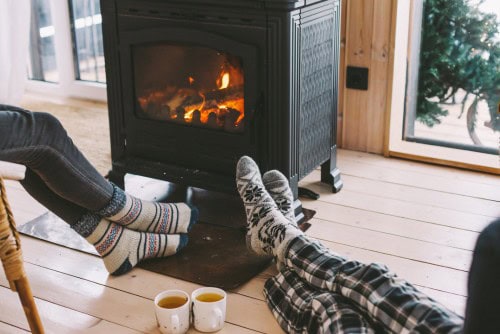
With a well-prepared winter-proofed home, you can enjoy the crisp air, cozy nights by the fire, and the unique charm that winter brings to Gauteng. So bundle up, grab a warm drink, and relish in the comfort of your winter-proofed home, knowing that you have taken the steps to ensure a safe, energy-efficient, and enjoyable winter for you and your loved ones.
READ