
Eviction Laws in South Africa: A Guide to Protecting Your Rental Investment
In the current South African economic climate, managing a rental property involves balancing legal compliance with a degree of human empathy. However, the eviction process has become increasingly complex and highly regulated. To safeguard your investment, the best defense is a proactive offense: securing the right tenant from day one and understanding tenant eviction laws in South Africa.
At Monarch Properties, we specialize in the professional buying and selling of residential and commercial real estate, helping our clients navigate the South African property market with confidence. While our core mission is matching the right buyer with the perfect property, we recognize that many of our clients are purchasing specifically for investment purposes. To ensure your journey from “buyer” to “successful landlord” is as seamless as possible, we have put together this essential guide on navigating tenant laws and protecting your asset.
Rigorous Tenant Vetting: Your First Line of Defense
Tenant screening is no longer just about checking a payslip. To ensure long-term rental stability, a “deep dive” into a prospective tenant’s history is essential. At Monarch Properties, we recommend a vetting process that goes beyond basic credit scores to include:
-
Comprehensive Credit Behavior: How they manage various types of debt (store accounts, credit cards, etc.).
-
Rental History: Verification from previous landlords to assess reliability.
-
Employment Stability: Confirming not just current income, but the longevity of their professional standing.
Tenant Eviction Laws & The Legal Framework Every Landlord Must Know
Once a tenant is approved, the relationship is governed by several key pieces of South African legislation. Familiarizing yourself with the South Africa Tenant Eviction Laws is vital for staying on the right side of the law:
- The Rental Housing Act
- The Consumer Protection Act (CPA)
- The Prevention of Illegal Eviction from and Unlawful Occupation of Property Act (PIE)
The Golden Rule: Never take the law into your own hands. Attempting “DIY evictions”—such as changing locks, cutting off electricity, or removing a tenant’s belongings—is strictly illegal and will likely result in a court ruling against you, regardless of how much rent is owed.
Managing Defaults: The 20-Day Procedure
When a tenant fails to pay, time is of the essence. There are no shortcuts in the legal process:
-
Notice of Breach: You must formally notify the tenant that they are in breach of contract.
-
The Remedy Period: By law, tenants are generally given 20 business days to rectify the default.
-
Cancellation & Court: If the breach is not resolved, the lease may be cancelled, and you can apply for a formal eviction order.
-
The Sheriff’s Role: Remember, only a court-appointed Sheriff is legally authorized to remove a tenant or their possessions.
Why Professional Management is the Safer Bet
Many landlords fall into the “false economy” trap—trying to save on management fees only to lose thousands in unpaid rent and legal costs later. Partnering with a professional leasing agency offers several layers of protection:
-
Legally Sound Leases: Professionally drafted contracts that protect your rights.
-
Financial Buffers: Access to rental income insurance that covers non-payment and legal eviction fees.
-
Mediation: Acting as a neutral third party to resolve disputes before they escalate to court.
-
Maintenance Oversight: Ensuring the property is kept in good condition, protecting your resale value.
Utilizing the Rental Housing Tribunal (RHT)
If a deadlock occurs, the Rental Housing Tribunal offers a free alternative to the Magistrate’s Court. The RHT has the authority to settle disputes regarding:
-
Unlawful lockouts or service disconnections.
-
Failure to refund deposits.
-
Lack of property maintenance.
-
Non-payment of rent.
A ruling by the Tribunal carries the same weight as an order from a Magistrate’s Court, providing a cost-effective path to justice for landlords.
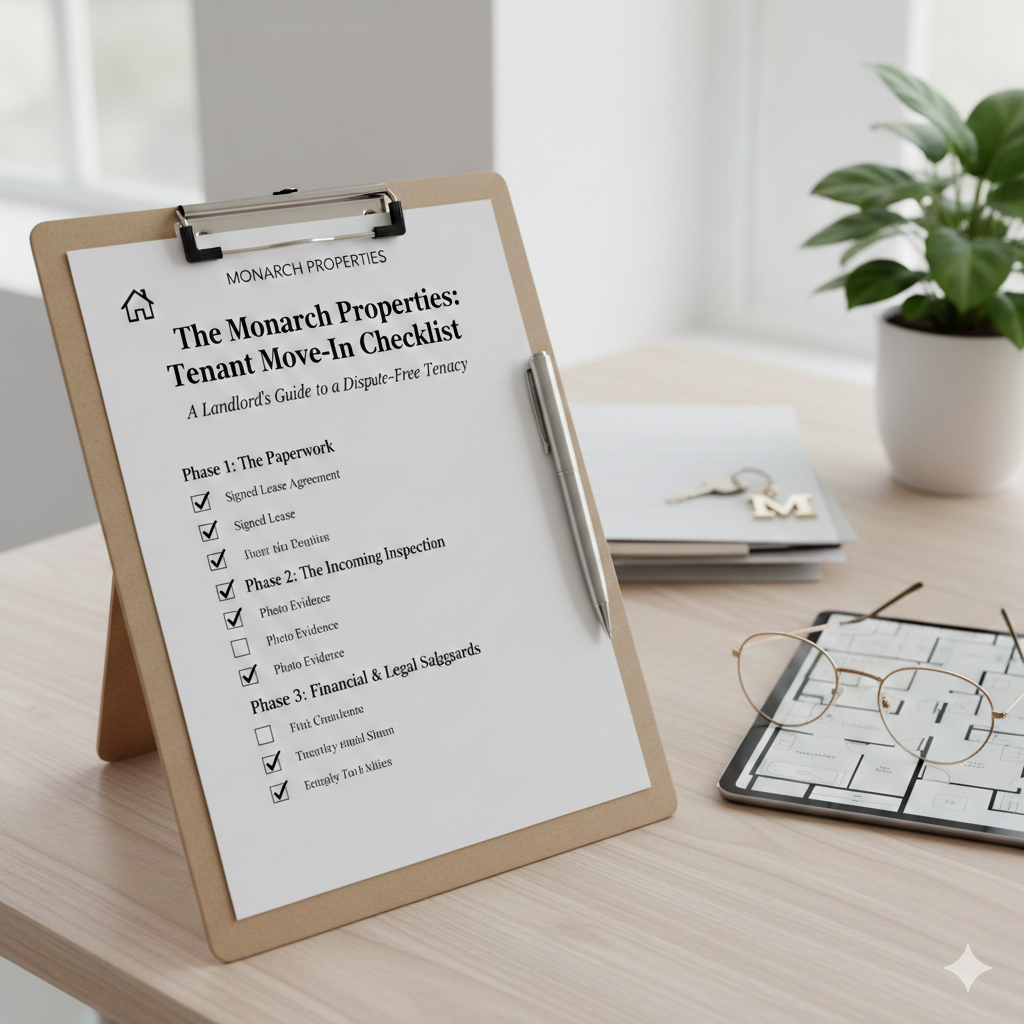
🏠 The Monarch Properties: Tenant Move-In Checklist
A Landlord’s Guide to a Dispute-Free Tenancy
Phase 1: The Paperwork (Before Keys are Handed Over)
Getting the documentation right at the start is the best way to prevent legal headaches later.
-
Signed Lease Agreement: Ensure it is CPA-compliant and clearly outlines the 20-day breach rule.
-
FICA Documentation: Collect copies of the tenant’s ID and proof of current residence.
-
Security Deposit: Confirm the full deposit (usually 1–2 months’ rent) is cleared in your account.
-
Utilities Setup: Agree in writing how water, electricity, and refuse will be billed (Pre-paid vs. Post-paid).
Phase 2: The Incoming Inspection (Mandatory)
Under the Rental Housing Act, a joint incoming inspection is not optional—it is a legal requirement to claim against a deposit later.
-
Room-by-Room Audit: Document the condition of floors, walls, windows, and cupboards.
-
Photo Evidence: Take high-resolution photos of every room, including the inside of ovens and any existing damage.
-
Functional Checks: Test all taps, toilets, light switches, and built-in appliances.
-
Keys & Remotes: List every key, tag, and remote handed over (Gate, Garage, Front Door, etc.).
-
Signed Inspection Report: Both the landlord (or Monarch Properties agent) and the tenant must sign and date this document.
Phase 3: Financial & Legal Safeguards
-
Deposit Investment: Place the deposit in an interest-bearing account (the interest belongs to the tenant by law).
-
Rent Collection Schedule: Set up a debit order or provide clear EFT instructions for the 1st of every month.
-
Insurance Review: Ensure your homeowner’s insurance covers “loss of rent” or “legal eviction costs.”
Phase 4: Ongoing Communication
-
Emergency Contact List: Provide the tenant with numbers for preferred plumbers, electricians, and the Monarch Properties management line.
-
House Rules: If the property is in a Sectional Title scheme, provide a copy of the Body Corporate/HOA rules.
-
Scheduled Mid-Term Inspection: Set a date (e.g., 6 months in) to check on the property’s condition.
Pro-Tip for Monarch Landlords: If a tenant misses a payment by even one day, send a Section 14 Letter of Demand immediately. This starts the 20-business-day “clock” required by the Consumer Protection Act. Waiting “just a few more days” often leads to months of lost income.